


Many Xiaohongshu creators get stuck on what to post next. In 2026, AI can help organize signals, shape a first draft, and prepare images faster. Ideas still need to come from real information, and every post needs a human review. A steady flow of ideas starts with a steady flow of useful information.
What changed in Xiaohongshu operations in 2026
The law is one part of the change, not the whole story. China’s Measures for Labeling AI-Generated and Synthesized Content took effect on September 1, 2025. When a post falls within the scope of the rules, users must declare it and use the platform’s labeling feature. Read the official notice from the Cyberspace Administration of China. Xiaohongshu’s Community Covenant 2.0 also calls for original, authentic sharing and recommends clearly disclosing AI-generated, AI-polished, or AI-assisted remixed content. It explicitly opposes practices such as farming accounts in bulk or hiring writers to fabricate word of mouth. Read Xiaohongshu’s Community Covenant.
This points to a broader operating shift: output volume alone is not a strategy. Publishing batches of generic notes from the same prompt is unlikely to meet readers’ need for specific, trustworthy content, and it runs against the platform’s emphasis on authentic sharing. Rule violations may lead to enforcement, but it would be inaccurate to say that using AI automatically gets an account banned. The issue is whether content is authentic, original, and compliant—and whether it involves practices such as fabricating content at scale. A basic “generate once, publish as-is” workflow also falls short over time: it lacks the account’s context and audience questions, misses emerging trends, and cannot naturally reproduce the creator’s voice. A more sustainable approach is to give AI the account positioning, real source material, timely signals, and style guidance, then have the creator verify, edit, and approve the result.
What AI should—and should not—do
AI can help organize material, compare writing structures, suggest topics, draft editable copy, and prepare cover concepts. It can move you from a blank page to a source-backed draft to revise. It cannot verify a source for you, invent first-hand experience, or decide whether a post fits your account. People need to provide the account positioning, audience concerns, and creator’s voice, then check facts, citations, final wording, and platform requirements. Content covered by the labeling rules must also be declared and labeled.
Three sources of ideas: trends, standout posts, and comments
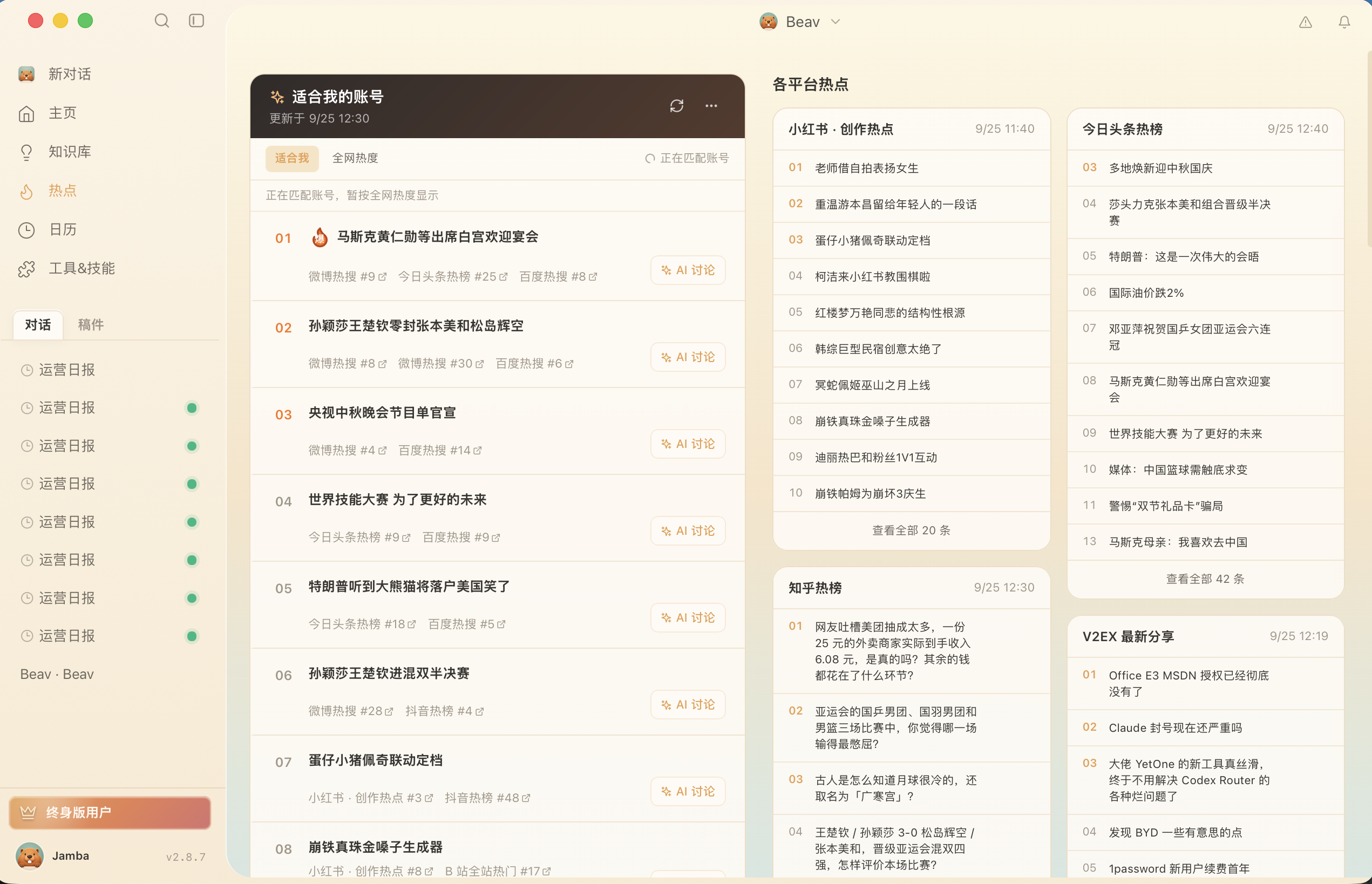
Trends: Find a question in what is happening now
A trend gives you a timely angle, not a ready-made fact. For example, when creators ask how to publish AI-generated graphics, first check the original rule, its effective date, and who it applies to. Then consider what your readers need to know. Keep a question worth answering and a source you can revisit.
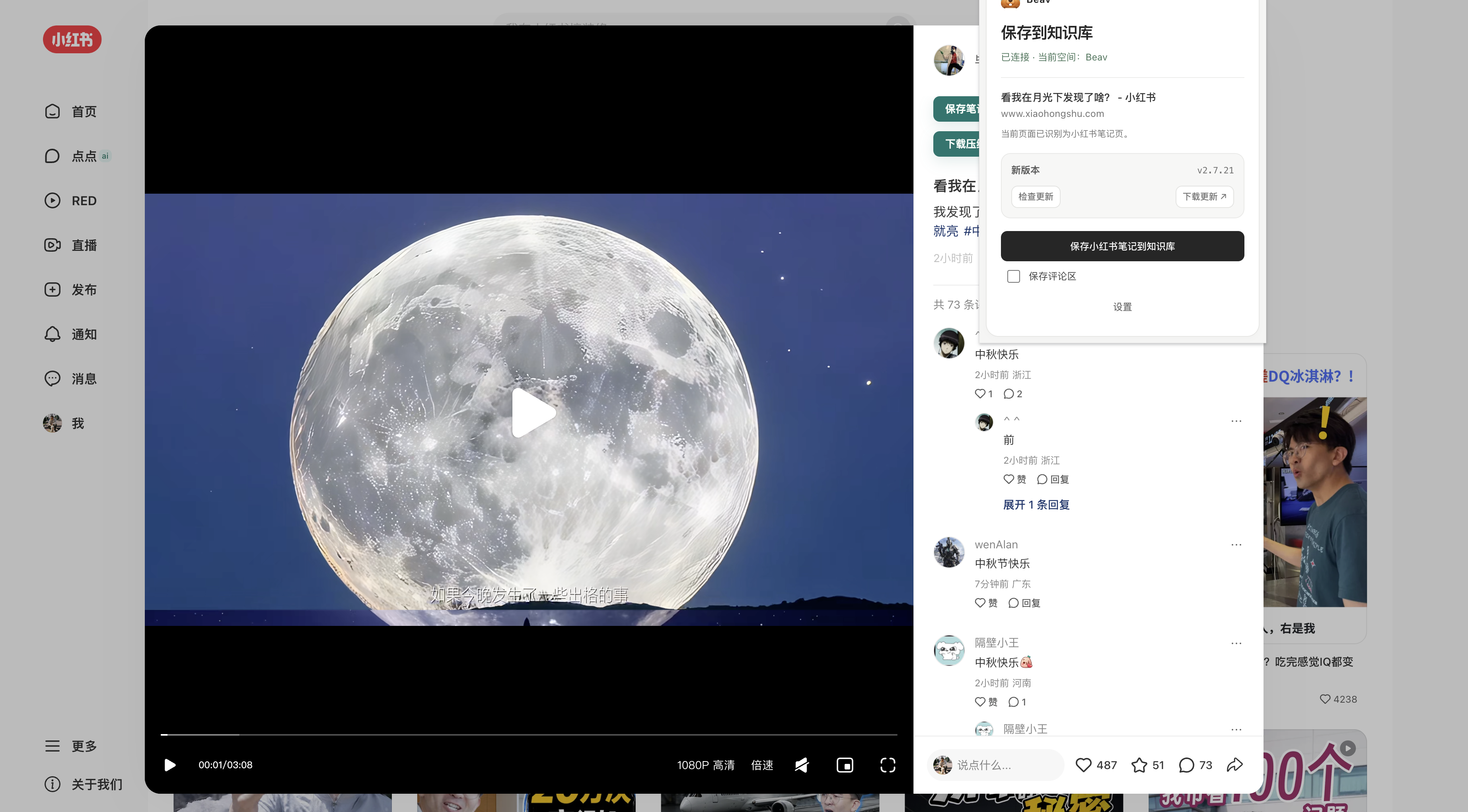
Standout posts: Study the structure without copying
A high-engagement post about using AI on Xiaohongshu can show how its title raises a question, how it orders information, and how examples support its claims. Strong engagement does not mean the same format suits every account. Learn from the structure without copying the original wording, data, or personal experience. Keep the full post and its source so you can check them while drafting.
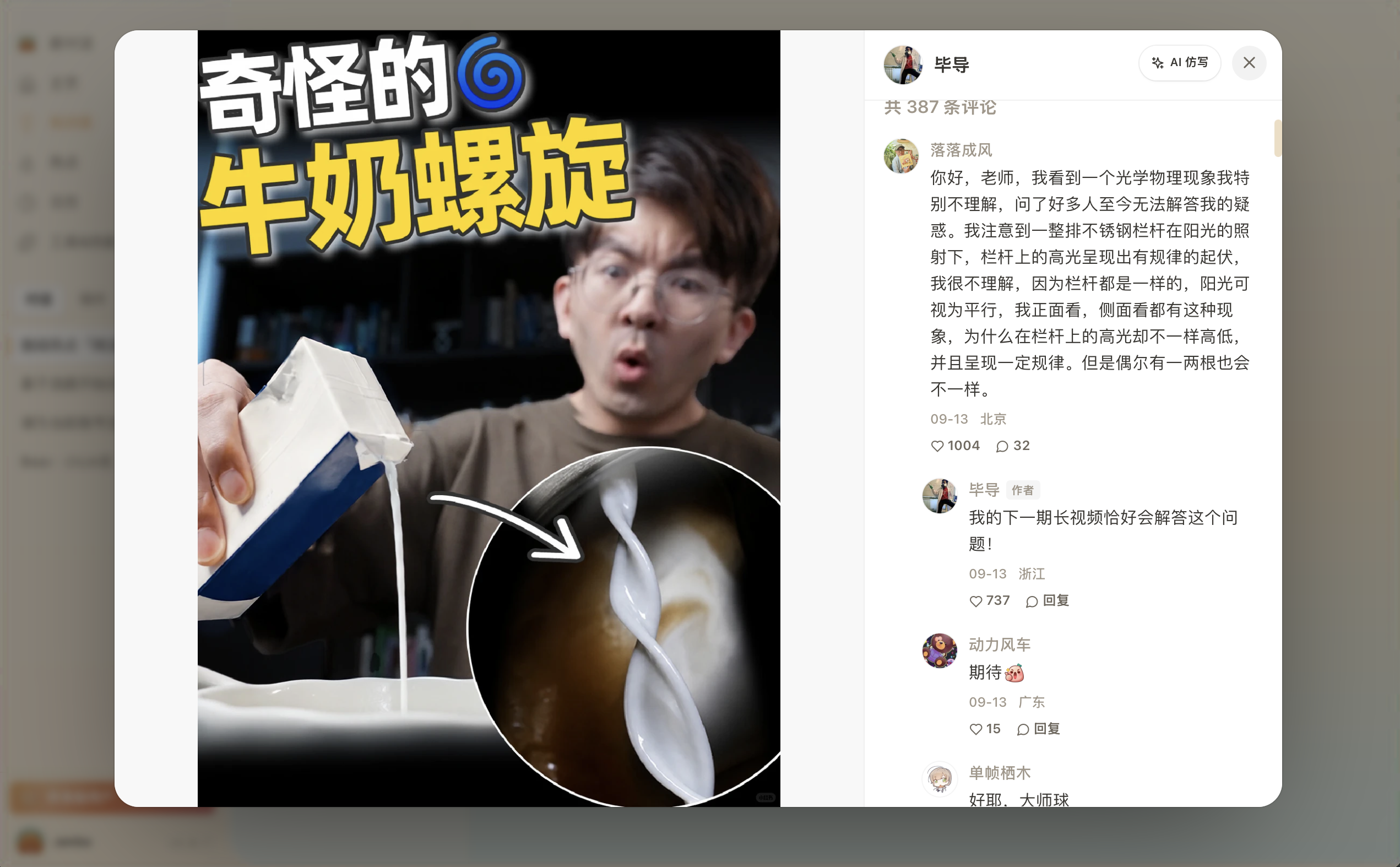
Comments: Hear what readers are really asking
Suppose readers under an AI-creation post keep asking, “What should a beginner do first?” and “What do I need to check before publishing generated images?” Those comments turn the broad topic “AI for Xiaohongshu” into specific questions. Keep the original wording and context, then sort comments into follow-up questions, concerns, objections, and additions. Engagement does not replace fact-checking.
From a signal to publishing on your phone
A 2026 Xiaohongshu AI creation workflow
Narrow those signals into a question such as: “How can a beginner use AI to create and publish a first Xiaohongshu graphic post, and what facts and AI labels should they check?” Then follow five steps:
- Save the signals. Keep the original trend source, reference post, comments, and your own notes together with their context.
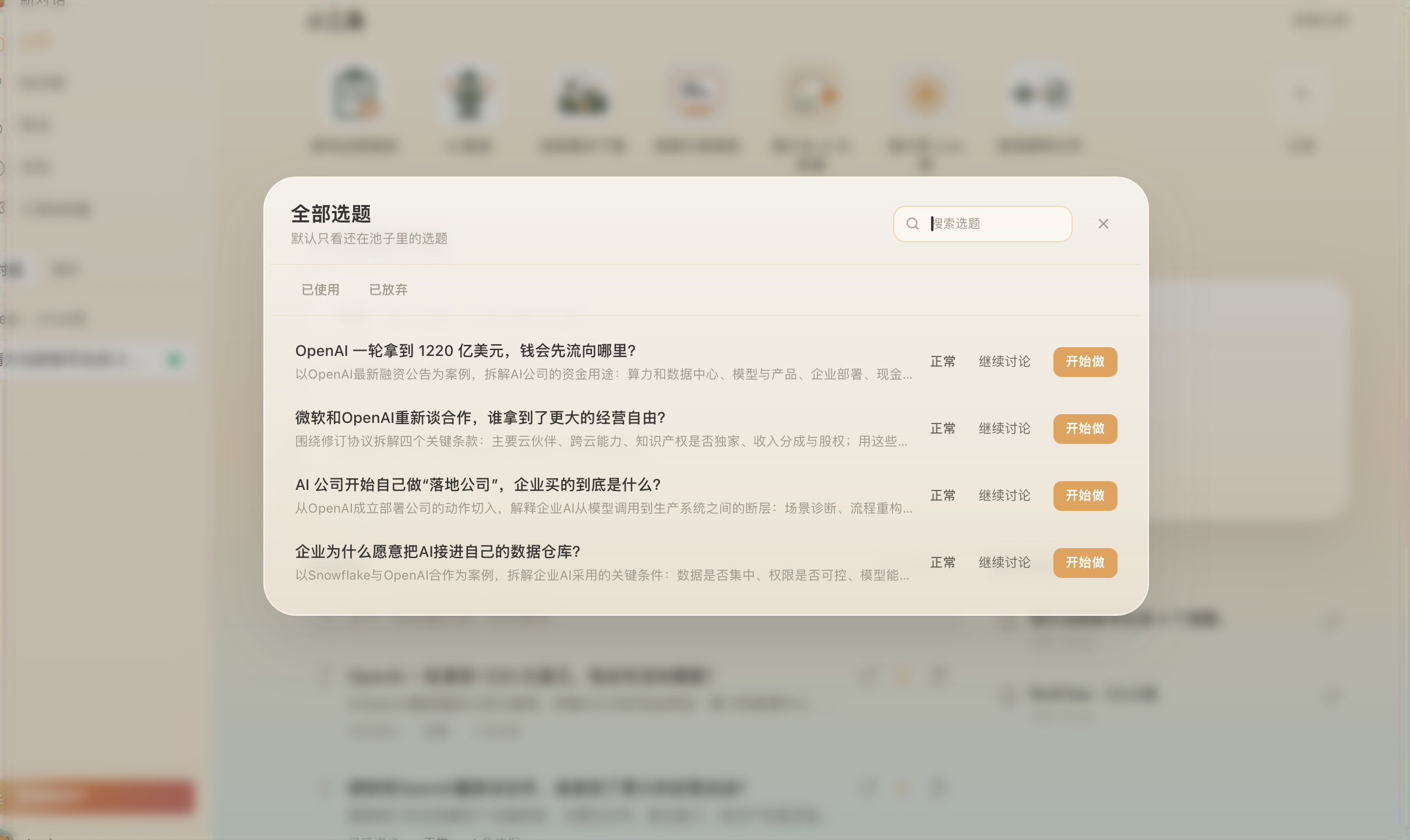
- Choose a topic. Ask why readers need it now, what evidence you have, and what you can add. Search topic management, check a topic’s status, continue the discussion, or start creating from it.
- Ask AI for a first draft. Provide the topic and its sources. Treat the result as editable copy, and do not present unchecked information as fact.
- Check facts and the finished post. Review numbers, citations, personal experience, and platform requirements. Follow the platform’s prompts for AI content labels. The example below is a complete Xiaohongshu post with publishable copy and five image cards.
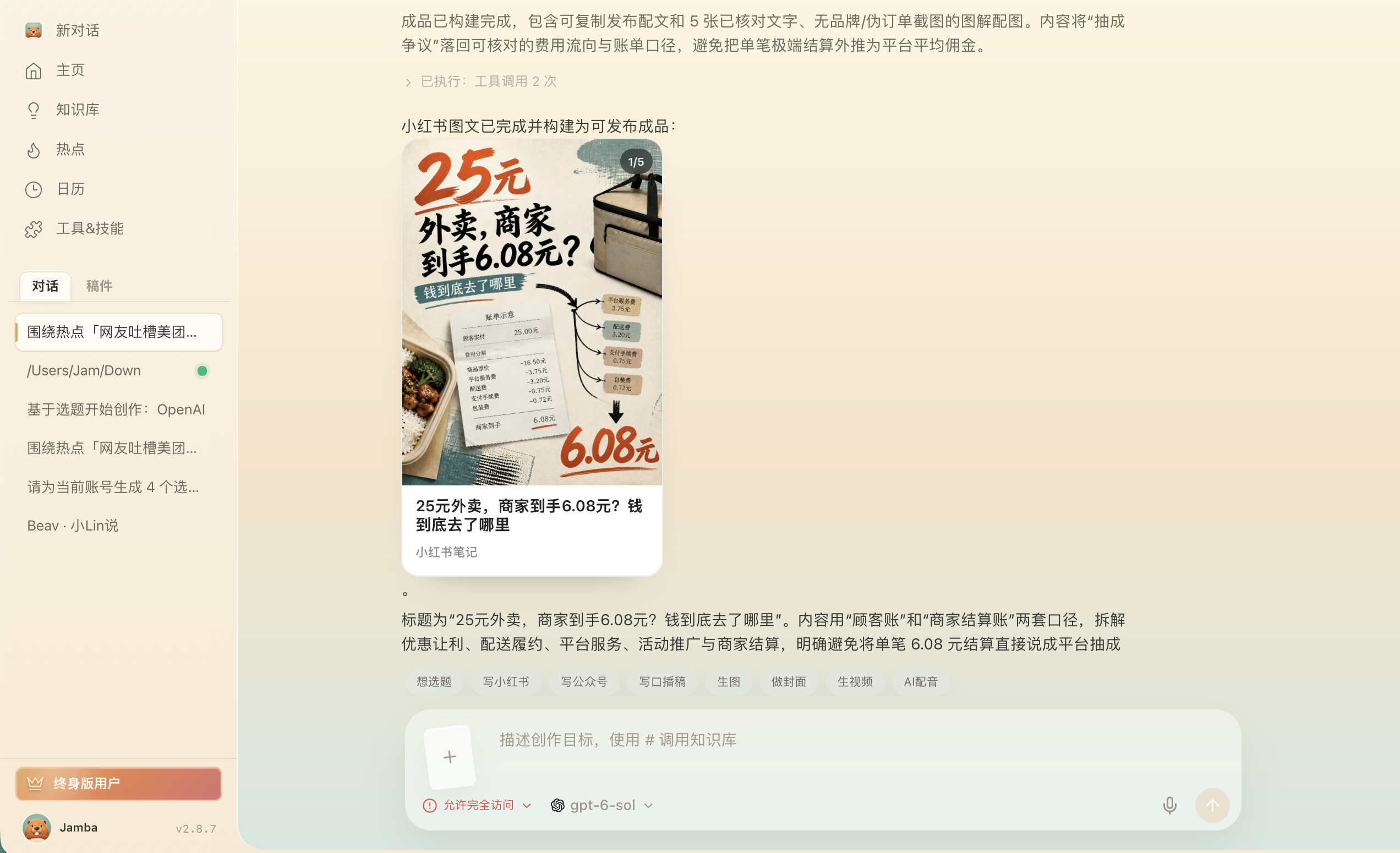
- Claim and publish on your phone. Generate a share link or QR code in Beav, open or scan it on your phone to claim the work, then review and publish it in the platform app. Beav does not offer unified desktop auto-publishing; automation may put accounts and content distribution at risk. You make the final publishing decision.
The account’s content list refreshes daily. Review the previous day’s likes and use them to inform the next topic.
What this guide leaves for later
- Capture and asset library: A closer look at saving posts, comments, and web sources in a searchable library.
- Breakdown and rewriting: How to study a post’s structure and write a new version grounded in your own sources.
- Covers: How to turn a title and key point into a cover concept.
- Industry examples: Separate playbooks for education, beauty, real estate, restaurants, and creator seeding.
To see how Beav supports this workflow, visit Beav’s Xiaohongshu AI tools.